

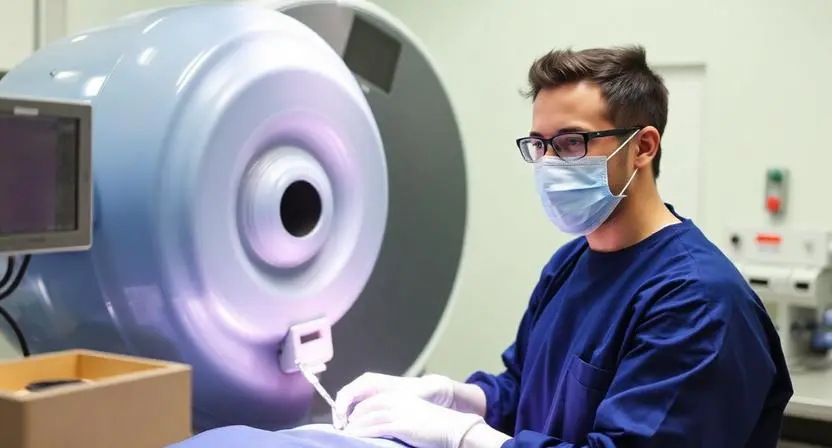
A CMR Surgical graduate manufacturing engineer represents an exciting entry point into the medical robotics industry, specifically within one of the most innovative surgical technology companies today. CMR Surgical, known for developing the Versius robotic surgical system, offers graduates the opportunity to work on cutting-edge manufacturing processes that directly impact patient care worldwide. These engineering professionals are responsible for designing, implementing, and optimizing manufacturing systems that produce next-generation surgical robots. The role combines traditional manufacturing engineering principles with advanced robotics technology, requiring both technical expertise and innovative thinking. As a CMR Surgical graduate manufacturing engineer, you’ll be at the forefront of medical device manufacturing, working alongside experienced professionals who are revolutionizing minimally invasive surgery. This position provides graduates with comprehensive training in precision engineering, quality systems, and regulatory compliance specific to medical devices. The collaborative environment fosters continuous learning while contributing to products that genuinely change lives through improved surgical outcomes and patient recovery times.
Key Responsibilities of a CMR Surgical Graduate Manufacturing Engineer
The cmr surgical graduate manufacturing engineer role encompasses diverse responsibilities that span the entire manufacturing lifecycle of surgical robotic systems. Primary duties include developing and optimizing assembly processes for complex mechanical and electronic components that meet stringent medical device standards. You’ll conduct detailed process capability studies, implement lean manufacturing principles, and drive continuous improvement initiatives to enhance production efficiency and product quality. Documentation is critical, requiring meticulous creation of manufacturing work instructions, process flow diagrams, and quality control procedures compliant with ISO 13485 and FDA regulations. As a CMR Surgical graduate manufacturing engineer, you’ll collaborate with design engineers to ensure manufacturability of new components, providing valuable feedback during product development phases. Troubleshooting production issues becomes second nature as you develop root cause analysis skills and implement corrective actions. You’ll also support supplier qualification activities, ensuring external manufacturing partners meet CMR’s exacting standards. The role demands participation in cross-functional teams addressing challenges in production scaling, cost reduction, and technological advancement, making every day uniquely challenging and rewarding.
Essential Skills for a CMR Surgical Graduate Manufacturing Engineer
Success as a CMR Surgical graduate manufacturing engineer requires a combination of technical knowledge, analytical capabilities, and interpersonal skills that enable effective collaboration across departments. A strong foundation in mechanical or manufacturing engineering principles is essential, typically obtained through a relevant bachelor’s or master’s degree from an accredited institution. Proficiency with CAD software such as SolidWorks or CATIA helps visualize assembly processes and identify potential manufacturing challenges early. Understanding of statistical process control, Six Sigma methodologies, and lean manufacturing techniques enables data-driven decision-making and continuous improvement. The CMR Surgical graduate manufacturing engineer must possess excellent problem-solving abilities, approaching complex technical challenges with structured analytical thinking and creative solutions. Communication skills are paramount, as you’ll regularly present findings to stakeholders, write technical reports, and collaborate with multidisciplinary teams. Familiarity with manufacturing technologies including CNC machining, injection molding, and automated assembly systems provides valuable context for process development. Adaptability and eagerness to learn are crucial, given the rapidly evolving nature of surgical robotics technology and manufacturing innovation.
Career Development as a CMR Surgical Graduate Manufacturing Engineer
The career trajectory for a CMR Surgical graduate manufacturing engineer offers exceptional growth potential within an expanding company at the forefront of surgical robotics. Most graduates begin with structured training programs that provide comprehensive exposure to CMR’s manufacturing operations, quality systems, and product portfolios. Mentorship from senior engineers accelerates professional development, providing guidance on technical challenges and career progression strategies. Within two to three years, successful CMR Surgical graduate manufacturing engineers often advance to project leadership roles, managing specific manufacturing initiatives or leading process improvement teams. The experience gained in medical device manufacturing is highly valued across the healthcare technology sector, opening doors to specialized roles in quality engineering, supply chain management, or new product introduction. Some engineers transition into design engineering positions, leveraging their manufacturing expertise to create more producible designs. Others pursue advanced degrees part-time while working, with CMR often supporting continued education. The company’s rapid growth creates numerous opportunities for progression into senior engineering positions, management roles, or technical specialist positions focusing on robotics assembly, automation integration, or regulatory compliance.
Why Choose CMR Surgical Graduate Manufacturing Engineer Positions?
Selecting a CMR Surgical graduate manufacturing engineer position offers unique advantages that distinguish it from traditional manufacturing engineering roles in other industries. CMR Surgical’s mission-driven culture means your daily work directly contributes to improving surgical outcomes and patient lives globally, providing profound professional satisfaction beyond typical engineering accomplishments. The company’s innovative approach to surgical robotics creates a dynamic work environment where engineers tackle novel challenges without established industry solutions, fostering creativity and technical innovation. As a CMR Surgical graduate manufacturing engineer, you’ll gain specialized expertise in medical device regulations, quality management systems, and precision manufacturing that are highly sought-after skills in the growing medtech sector. The international nature of CMR’s operations provides exposure to global manufacturing strategies and potential opportunities for international assignments or collaborations. Competitive compensation packages typically include attractive salaries, performance bonuses, and comprehensive benefits reflecting the specialized nature of medical device manufacturing. The collaborative culture encourages knowledge sharing, cross-functional teamwork, and professional development through training programs, conferences, and certifications that enhance long-term career prospects.
Application Process for CMR Surgical Graduate Manufacturing Engineer Roles
Securing a position as a CMR Surgical graduate manufacturing engineer requires thorough preparation and understanding of the company’s recruitment process and expectations. Applications typically begin through CMR’s careers portal, where candidates submit resumes highlighting relevant engineering coursework, projects, internships, and any medical device or robotics experience. Tailoring your application materials to emphasize manufacturing engineering skills, quality awareness, and genuine interest in surgical robotics significantly improves selection chances. The CMR Surgical graduate manufacturing engineer recruitment process usually includes multiple interview stages, starting with phone screenings assessing technical fundamentals and motivations for joining the medical robotics field. Technical interviews evaluate engineering knowledge through problem-solving exercises, case studies involving manufacturing challenges, and discussions of previous project experiences. Assessment centers or on-site interviews provide opportunities to meet potential colleagues, tour manufacturing facilities, and demonstrate practical skills through group exercises or presentations. Candidates should prepare questions demonstrating research into CMR’s technology, market position, and manufacturing philosophy. Successful applicants typically demonstrate not only strong technical capabilities but also cultural fit, showing enthusiasm for collaborative work, continuous learning, and contributing to meaningful healthcare innovation.
Conclusion
The CMR Surgical graduate manufacturing engineer role represents an exceptional career opportunity for engineering graduates passionate about combining technical excellence with meaningful impact on patient healthcare outcomes. This position offers comprehensive exposure to advanced manufacturing technologies, medical device regulations, and surgical robotics—skills that form a valuable foundation for long-term career success in the expanding medtech industry. Working at CMR Surgical provides the unique satisfaction of knowing your engineering contributions directly improve surgical procedures worldwide, making complex operations safer, more accessible, and less invasive. The company’s commitment to innovation, professional development, and collaborative culture creates an environment where graduate engineers can thrive, learn rapidly, and advance their careers while working alongside industry-leading experts. For graduates seeking challenging, rewarding engineering careers that merge cutting-edge technology with life-changing healthcare applications, the CMR Surgical graduate manufacturing engineer position offers an ideal starting point. Whether you’re interested in robotics, precision manufacturing, quality systems, or process optimization, this role provides the perfect platform to develop specialized expertise while contributing to the future of surgery.














Leave a comment