

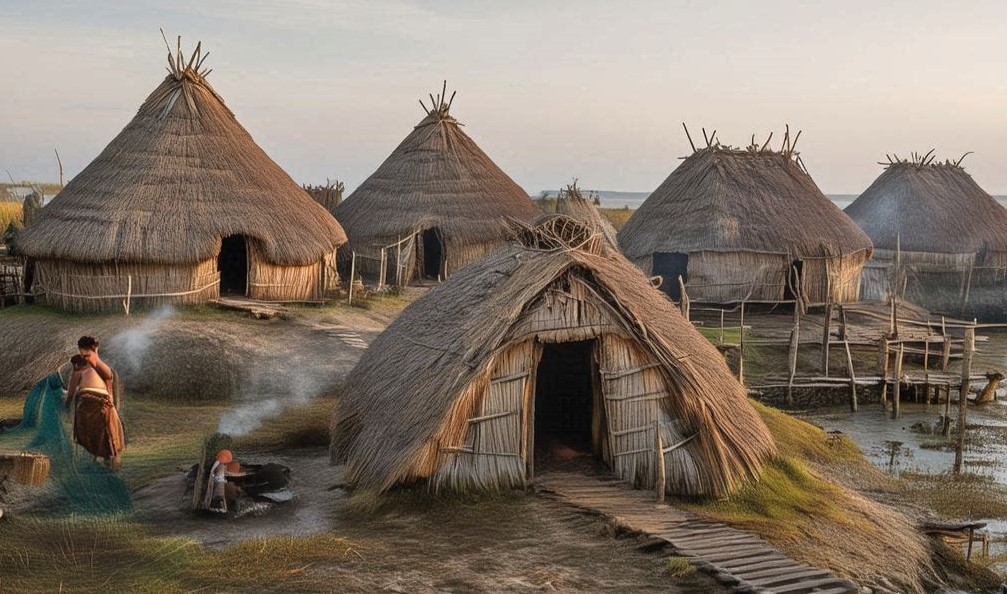
What type of home did the atakapa tribe live in, indigenous people of the Gulf Coast region, developed unique housing structures perfectly adapted to their coastal environment. When exploring what type of home did the Atakapa tribe live in, we discover dwellings designed for the hot, humid climate of Louisiana and Texas. These Native Americans created homes using natural materials readily available in their marshy, coastal territories. Their architectural choices reflected practical needs for ventilation, protection from flooding, and seasonal weather patterns that characterized the Gulf Coast region.
Traditional Construction Methods
What type of home did the Atakapa tribe live in involved sophisticated building techniques using palmetto leaves, marsh grasses, and wooden poles. The Atakapa people constructed rectangular or circular structures with frameworks of wooden posts driven into the ground. They covered these frames with tightly woven mats made from palmetto fronds and local grasses. The construction process required extensive knowledge of local plant materials and their properties. These homes featured raised floors to protect against flooding common in coastal regions, demonstrating the tribe’s deep understanding of their environment.
Seasonal Dwelling Variations
The Atakapa people adapted their housing based on seasonal needs and activities. During summer months, they built more open, well-ventilated structures allowing air circulation in the oppressive heat. Winter homes featured tighter construction with additional insulation from woven mats and animal hides. When considering what type of home did the Atakapa tribe live in, it’s important to understand they were semi-nomadic, moving between coastal and inland camps. Their portable dwelling designs allowed relatively quick assembly and disassembly, facilitating their seasonal migration patterns following food sources.
Materials and Resources Used
What type of home did the Atakapa tribe live in depended heavily on locally available materials. Palmetto palms provided the primary roofing material, with their large, fan-shaped leaves offering excellent water resistance. Marsh grasses were woven into thick mats for walls and additional roofing layers. Cypress and other hardwoods from nearby swamps served as structural support poles. The Atakapa also used cane, reeds, and Spanish moss for various construction purposes. Clay from riverbanks sometimes sealed gaps, while animal hides provided additional insulation during colder months in their coastal environment.
Interior Layout and Features
The interior design of Atakapa homes reflected their practical lifestyle and social structures. Most dwellings housed extended family groups, with central fire pits for cooking and warmth. Sleeping platforms elevated off the ground protected residents from moisture and insects. Storage areas for tools, weapons, and dried foods were incorporated into the design. When examining what type of home did the Atakapa tribe live in, we find simple but functional spaces optimized for their hunting, fishing, and gathering lifestyle along the Gulf Coast waterways.
Size and Dimensions
Atakapa dwellings varied considerably in size depending on family needs and seasonal purposes. Permanent winter camps featured larger structures, sometimes measuring twenty to thirty feet in diameter or length. Summer fishing camps utilized smaller, more temporary shelters suitable for nuclear families. What type of home did the Atakapa tribe live in often included communal structures for gatherings, ceremonies, and council meetings. These larger buildings demonstrated more elaborate construction techniques and could accommodate dozens of tribal members during important events and celebrations.
Comparison with Neighboring Tribes
What type of home did the Atakapa tribe live in shared similarities with other Gulf Coast indigenous peoples but maintained distinctive characteristics. Unlike the Caddo peoples who built more permanent beehive-shaped grass houses, the Atakapa favored structures allowing greater mobility. Their homes resembled those of the Karankawa tribe in basic construction but differed in specific details and materials. The coastal environment dictated many similarities among Gulf Coast tribes, though each group developed unique adaptations to their specific territorial conditions and cultural preferences.
Historical Documentation and Archaeological Evidence
European explorers and missionaries provided early descriptions of Atakapa dwellings during the 18th century. These accounts, though sometimes biased or incomplete, offer valuable insights into traditional housing. Archaeological excavations have uncovered post holes, hearth remains, and artifact distributions revealing dwelling patterns. Understanding what type of home did the Atakapa tribe live in requires combining historical documents with physical evidence. Modern researchers continue studying these sources to reconstruct accurate representations of Atakapa domestic life and architectural traditions.
Conclusion
Understanding what type of home did the Atakapa tribe live in reveals remarkable ingenuity and environmental adaptation. These Gulf Coast indigenous people created practical, efficient dwellings using natural materials from their marshy homeland. Their homes featured elevated floors, woven palmetto roofs, and flexible designs accommodating seasonal migrations. The Atakapa architectural tradition demonstrates sophisticated understanding of local resources and climate challenges. Though their traditional lifestyle has largely disappeared, studying what type of home did the Atakapa tribe live in preserves important cultural knowledge and honors their legacy of sustainable living practices perfectly adapted to the challenging Gulf Coast environment.













Leave a comment